
A drip campaign is a conversation that happens while the marketer sleeps. A new subscriber gets a welcome, a buyer gets a follow-up, a cart that was abandoned gets a reminder, and a customer who has not opened in a month gets a win-back, all without a human pressing send. The best drip campaign tools build those sequences visually, trigger them on behaviour, and show which emails in the sequence actually earn the click, so the marketer can fix the weak ones rather than guessing.
This guide compares 9 tools on the three jobs that decide a drip campaign tool. How easy the automation builder is to use, how well the sequences trigger on behaviour, and how much it costs per month. Prices below are entry paid tiers checked in November 2026, and where a tool offers a free plan the table shows it, because a drip tool should be tested on a real sequence before it is bought.
Quick jump
- The 9 Best Drip Campaign Tools at a Glance
- The 9 Tools in Full
- The Sequence, and the Emails That Arrive in Order
- Best Pick by Job
- Triggers, and the Behaviour That Sends the Email
- The Abandoned Cart, and the Sale That Almost Happened
- The Welcome, and the First Email That Sets the Tone
- Win-Back, and the Subscriber Who Went Quiet
- What a Drip Campaign Tool Costs in 2026
- The Drip Habit, and the Campaign That Runs Itself
- Common Questions, Answered
- Where to Start
The 9 Best Drip Campaign Tools at a Glance
This table compares the best drip campaign tools on the facts that decide a choice. Prices are entry paid tiers from each vendor site, checked in November 2026. Free plans vary widely, from a few hundred subscribers to a full free tier, so read the free column before choosing.
| Tool | Entry price | Best for |
|---|---|---|
| Drip | From $39 a month | Ecommerce drip sequences |
| Klaviyo | Free plan, paid from $20 a month | Ecommerce email plus SMS |
| ActiveCampaign | Starter $15 a month billed annually | Automation builder, deep and flexible |
| Mailchimp | Free plan, Essentials $13 a month | Easy drip for small businesses |
| Kit | From $29 a month | Drip for creators and newsletters |
| Brevo | Free plan, Starter $9 a month | Cheapest drip with SMS |
| Moosend | Pro $9 a month | Cheapest automation for small lists |
| Omnisend | Free plan, Standard $16 a month | Ecommerce drip plus SMS and push |
| GetResponse | Starter $19 a month | Drip plus webinars and funnels |
The 9 Tools in Full
Each tool below was judged on the same three jobs. How easy the builder is, how well the sequences trigger on behaviour, and what it costs. The best drip campaign tools in this guide clear those tests, and the ranking follows the job each one does best rather than the size of its automation library.
1. Drip
Drip is the drip tool built for ecommerce, with sequences for abandoned carts, post-purchase follow-ups, win-backs and product recommendations, all triggered on what the customer actually did. It suits an online store that needs to recover abandoned carts and bring back lapsed buyers, because the automation is built around the store’s data, and the entry plan costs from $39 a month, with a free trial for testing.
The price of $39 a month is mid-range, and the ecommerce focus is the strength, because a store that can see the cart, the purchase and the browsing will trigger the right email at the right time. The trade-off is that the tool is built for stores, so a business that does not sell online will find less, and the builder is deeper than the simpler tools. For an ecommerce store, though, the sequences are the value.
The limit is the audience. A business that does not sell online should pick ActiveCampaign or Mailchimp instead, because the $39 Drip plan buys ecommerce features that a non-store will not use. Use Drip when the store needs to recover carts and win back buyers, because that is where it beats the competition.
Choose Drip for an online store that needs to recover carts and win back buyers.
2. Klaviyo
Klaviyo is the ecommerce email and SMS platform, with drip sequences for abandoned carts, post-purchase follow-ups and win-backs, plus SMS that can be added to the same flow. It suits an online store that needs email and SMS in one place, because the sequences can mix both channels, and the free plan covers a small list, with paid plans from $20 a month.
The price of $20 a month is reasonable for the feature set, and the free plan covers a small list, which is enough for a new store. The trade-off is that the tool is built for ecommerce, so a business that does not sell online will find less, and the builder is deeper than the simpler tools. For an ecommerce store, though, the email plus SMS is the value.
The limit is the audience. A business that does not sell online should pick ActiveCampaign or Mailchimp instead, because the Klaviyo plan buys ecommerce features that a non-store will not use. Use Klaviyo when the store needs email and SMS in the same sequence, because that is where it beats the competition.
Pick Klaviyo for an online store that needs email and SMS in the same drip.
3. ActiveCampaign
ActiveCampaign is the automation tool with the deepest builder in this list, letting the marketer build sequences with conditions, splits, goals and scores, all triggered on behaviour. It suits a business that needs complex automation, because the builder can handle a sequence that branches on opens, clicks, purchases and tags, and the Starter plan costs $15 a month billed annually, with a free trial for testing.
The price of $15 a month billed annually is reasonable for the depth, and the builder is the best in this list for complex sequences. The trade-off is that the builder is deeper than the simpler tools, so a beginner will need a day to learn it, and the interface is busier than Mailchimp. For a business that needs complex automation, though, the depth is the value.
The limit is the learning curve. A simple builder will be faster on the first sequence, while ActiveCampaign will be faster on the tenth, because the depth pays off once the team knows it. Use the free trial to learn the builder, and pay the $15 when the team builds sequences every week, because the depth is worth the learning time.
Choose ActiveCampaign when the sequences are complex and the builder must be deep.
4. Mailchimp
Mailchimp is the easiest drip tool in this list for a small business, with a clean builder, pre-built sequences for welcome, abandoned cart and win-back, and a free plan that covers a small list. It suits a small business that needs a good drip without learning a complex tool, because the sequences are ready to use, the builder is simple, and the first drip can be sent in an hour. The Essentials plan costs $13 a month.
The price of $13 a month is the cheapest in this list for a paid plan with pre-built sequences, and the free plan covers a small list. The trade-off is that the builder is simpler than ActiveCampaign, so a business that needs complex automation will find it limiting, and the price rises quickly as the list grows. For a small business, though, the simplicity is the point.
The limit is depth. A simple builder will not handle a complex sequence, and a business that needs branching and scoring will need ActiveCampaign instead. Use Mailchimp when the sequences are straightforward and the team needs them fast, because the simplicity is the value, and the pre-built sequences will carry the work.
Pick Mailchimp when the business is small and the sequences are straightforward.
5. Kit
Kit is the drip tool built for creators, with sequences for welcome, product launches and courses, all designed around a newsletter audience. It suits a creator who sells a course, a book or a membership, because the automation is built around the creator’s funnel, and the entry plan costs from $29 a month, with a free plan for testing.
The price of $29 a month is mid-range, and the creator focus is the strength, because a creator who sells a course needs a sequence that launches it, and the tool is built for that job. The trade-off is that the tool is built for creators, so a business that sells products will find less, and the builder is simpler than ActiveCampaign. For a creator, though, the sequences are the value.
The limit is the audience. A business that sells products should pick Drip or Klaviyo instead, because the $29 Kit plan buys creator features that a store will not use. Use Kit when the audience is a newsletter list and the product is a course or a membership, because that is where it beats the competition.
Choose Kit for a creator who sells a course or a membership to a newsletter list.
6. Brevo
Brevo is the cheapest drip tool in this list with SMS, covering email and SMS sequences in one subscription, with a free plan that covers 300 emails a day, and a Starter plan at $9 a month. It suits a small business that needs email and SMS drips without paying $20 or $30 a month, because the platform covers both channels, and the price is the lowest available for a combined service.
The price of $9 a month is the lowest in this list for a paid plan, and the free plan covers 300 emails a day, which is enough for a small list. The trade-off is that the builder is simpler than ActiveCampaign, so a business that needs complex automation will find it limiting. For a small business that needs email and SMS, though, the value is high.
The limit is depth. A simple builder will not handle a complex sequence, and a business that needs branching and scoring will need ActiveCampaign instead. Use Brevo when the business is small, the sequences are straightforward, and the budget is $9 a month, because that is where it beats the competition.
Pick Brevo when the budget is $9 a month and the business needs email and SMS drips.
7. Moosend
Moosend is the cheapest automation tool in this list for a small list, with a Pro plan at $9 a month that covers 500 subscribers, and a free trial for testing. It suits a small business that needs drip sequences without paying $15 or $20 a month, because the builder is clean, the sequences are ready to use, and the price is the lowest available for a paid plan with automation.
The price of $9 a month is the lowest in this list for a paid plan, and the builder is the strength, because a small business that needs a drip will find one that fits. The trade-off is that the tool is simpler than ActiveCampaign, so a business that needs complex automation will find it limiting. For a small list, though, the price is the point.
The limit is scale. A list that grows past a few thousand subscribers will see the price rise, and a business that needs complex automation will need ActiveCampaign instead. Use Moosend when the list is small and the budget is $9 a month, because that is where it beats the competition.
Choose Moosend when the list is small and the budget is $9 a month.
8. Omnisend
Omnisend is the ecommerce drip tool with email, SMS and push notifications in one sequence, so a store can reach the customer on the channel they prefer. It suits an online store that needs more than email, because the sequences can mix email, SMS and push, and the free plan covers a small list, with the Standard plan at $16 a month.
The price of $16 a month is reasonable for the three channels, and the free plan covers a small list, which is enough for a new store. The trade-off is that the tool is built for ecommerce, so a business that does not sell online will find less. For an ecommerce store that needs email, SMS and push, though, the three channels are the value.
The limit is the audience. A business that does not sell online should pick ActiveCampaign or Mailchimp instead, because the $16 Omnisend plan buys ecommerce features that a non-store will not use. Use Omnisend when the store needs email, SMS and push in the same sequence, because that is where it beats the competition.
Pick Omnisend for an online store that needs email, SMS and push in one drip.
9. GetResponse
GetResponse is the marketing platform that pairs drip sequences with webinars, funnels and landing pages, so the marketer can build the whole funnel in one place. It suits a business that needs more than email, because the platform covers the landing page, the drip, the webinar and the sale in one subscription, and the Starter plan costs $19 a month, with a free trial for testing.
The price of $19 a month is mid-range, and the funnel features are the strength, because a business that runs webinars and funnels needs a platform that covers them. The trade-off is that the drip builder is simpler than ActiveCampaign, so a business that needs complex automation will find it limiting. For a business that needs the whole funnel, though, the value is high.
The limit is depth. A platform that covers webinars and funnels will not have the deepest drip builder, and a business that needs complex automation should pick ActiveCampaign instead. Use GetResponse when the business needs the landing page, the drip and the webinar in one place, because that is where it beats the competition.
Choose GetResponse when the business needs the drip, the funnel and the webinar together.
The Sequence, and the Emails That Arrive in Order
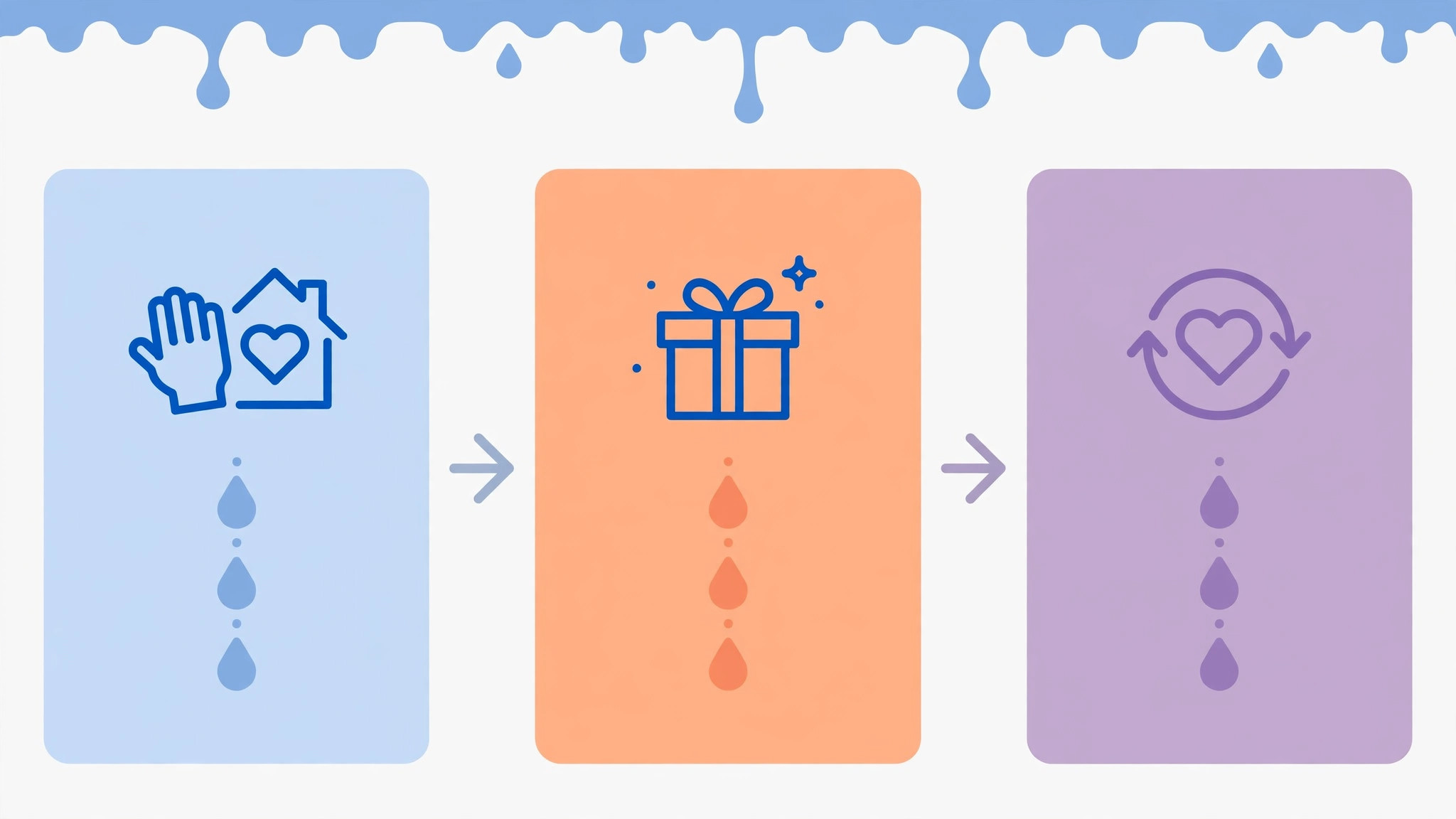
A drip is a sequence, and the order matters, because the welcome should arrive before the offer, the offer should arrive before the reminder, and the reminder should arrive before the win-back. best drip campaign tools all build sequences visually, and the best habit is to map the sequence on paper before building it, listing each email, the trigger that sends it, and the wait between them, because a sequence that is planned will work, while a sequence that is built on the fly will confuse the reader.
The practical method is to start with the welcome, add the offer, add the reminder, and add the win-back, testing each email as it is built, because a sequence with four emails that all work is better than a sequence with ten emails that half work. Check the opens and the clicks for each email, and fix the weak ones, because the sequence is only as strong as its weakest email.

Best Pick by Job
Different situations need different tools, so the best pick changes with the job. This table matches the common situations to the tool that handles each one best. The best drip campaign tools in this guide cover all of these jobs between them.
| Your job | Pick this one | Why |
|---|---|---|
| Online store, recover carts | Drip | From $39 a month, ecommerce sequences |
| Online store, email plus SMS | Klaviyo | Free plan, paid from $20 a month |
| Complex automation, deep builder | ActiveCampaign | Starter $15 a month billed annually |
| Small business, easy start | Mailchimp | Free plan, Essentials $13 a month |
| Creator, newsletter funnel | Kit | From $29 a month |
| Cheapest drip with SMS | Brevo | Free plan, Starter $9 a month |
Triggers, and the Behaviour That Sends the Email
A trigger is the behaviour that sends the email, such as a signup, a purchase, an abandoned cart or a month without an open, and the best drips trigger on behaviour rather than on a calendar, because an email that arrives when the reader acted will be opened, while an email that arrives on a schedule will be ignored. The tools in this guide trigger on opens, clicks, purchases, tags and dates, and the habit is to trigger on the behaviour that matters, because a trigger that is too broad will send too many emails, and a trigger that is too narrow will send too few.
The practical method is to list the behaviours that matter, such as a signup, a first purchase, an abandoned cart and a month without an open, and to build one sequence for each one, because a sequence that is built around a behaviour will feel personal, while a sequence that is built around a calendar will feel generic. Test the triggers, and fix the ones that send too often or too rarely.
The Abandoned Cart, and the Sale That Almost Happened
An abandoned cart is the closest thing to a sale, because the customer chose the product, added it to the cart, and then left, and a drip that reminds them within an hour will recover a share of those sales. The tools in this guide include abandoned cart sequences, and the habit is to send the first reminder within an hour, the second within a day, and the third within three days, with a different message each time, because a reminder that arrives quickly will be acted on, while a reminder that arrives a week later will be forgotten.
The practical method is to test the timing, the subject and the offer, because a cart reminder with a discount will recover more carts than a reminder without one, but a discount on every cart will train the customer to abandon. Send the first reminder without a discount, the second with a small one, and the third with a larger one, because the sequence will recover the sale without teaching the customer to wait.
The Welcome, and the First Email That Sets the Tone
A welcome email is the first email a subscriber receives, and it sets the tone for every email after it, because a subscriber who likes the welcome will open the next one, while a subscriber who ignores it will ignore the rest. The tools in this guide include welcome sequences, and the habit is to send the welcome immediately, introduce the brand, set the expectation for how often the emails will arrive, and offer something useful, because a welcome that is clear and generous will earn the open.
The practical method is to write the welcome as if it were a letter, not a broadcast, with a personal tone, a clear promise, and a single call to action, because a welcome that asks for one thing will get it, while a welcome that asks for five things will get none. Test the welcome, and fix it, because the first email decides whether the subscriber stays.
Win-Back, and the Subscriber Who Went Quiet
A subscriber who has not opened in a month is not gone, they are quiet, and a win-back sequence can bring them back, with a reminder of what they signed up for, an offer to re-engage, and a final email that asks whether they still want to hear from the sender. The tools in this guide include win-back sequences, and the habit is to send the first win-back after a month of silence, the second after two months, and the third after three, because a subscriber who is reminded will often return, while a subscriber who is never reminded will be lost.
The practical method is to clean the list after the win-back, removing the subscribers who never respond, because a list that is cleaned will deliver better than a list that is full of dead addresses. A win-back that brings back a subscriber is worth more than a new signup, because the returning subscriber already knows the brand, and the list will be healthier for the cleaning.
What a Drip Campaign Tool Costs in 2026
A drip campaign tool costs from $9 a month to $39 a month, and the dearest tool is not always the best. Brevo and Moosend cost $9, Mailchimp costs $13, ActiveCampaign costs $15 billed annually, Omnisend costs $16, GetResponse costs $19, Klaviyo costs $20, Kit costs $29, and Drip costs $39. A marketer who tests two tools for free will find the best one for their campaigns without paying.
The real cost is not money but time, because a drip that must be built, tested and fixed will take hours, and the time is the investment. A tool that builds the sequence fast and shows which emails earn the click will save time, because the marketer can fix the weak ones, while a tool that is slow or hides the data will cost more time than it saves. Pick the tool that is fast and shows the data, and work through the sequences in order.
The Drip Habit, and the Campaign That Runs Itself
A drip campaign is not a one-off job, it is a habit, and the marketer who checks the opens, the clicks and the sales for each email every month will keep the sequences working, while the marketer who builds the drip and forgets it will see the results fall. Check the data monthly, fix the weak emails, test the subject lines, and update the offers, because the cycle is what keeps the drip earning. The tools in this guide are judged on how well they support the habit, not on how well they build a drip once.
Use the time the tool saves to write better emails, because a drip that is well written will earn the click, while a drip that is poorly written will be ignored, however good the automation is. The goal is a sequence that feels like a conversation, because the subscriber will open the next email when the last one was worth reading.
One more habit worth building is the monthly sequence review. Every month, check the opens, the clicks and the sales for each email in the sequence, and fix the weakest one. A sequence that is reviewed monthly will keep earning, while a sequence that is built and forgotten will fall behind, because the audience changes faster than the emails do.
Another check worth doing is the unsubscribe rate for each email in the sequence. An email with a high unsubscribe rate is telling the marketer that the message is wrong, the timing is wrong, or the audience is wrong, and the fix is to rewrite the subject, soften the offer, or change the trigger. A sequence that is checked for unsubscribes will keep the list healthy, while a sequence that is never checked will lose subscribers without the marketer knowing why.
Common Questions, Answered
Which drip campaign tool is best overall?
Among the best drip campaign tools, ActiveCampaign leads for most businesses, because the automation builder is the deepest and the Starter plan costs $15 a month billed annually. Drip is the best for an online store at $39 a month, while Mailchimp is the best for a small business at $13 a month, so the right pick depends on the job.
What is a drip campaign?
A drip campaign is a sequence of emails that are sent automatically over time, triggered by behaviour such as a signup, a purchase, an abandoned cart or a month without an open. A new subscriber gets a welcome, a buyer gets a follow-up, and a cart that was abandoned gets a reminder, all without a human pressing send.
How much do drip campaign tools cost?
A drip campaign tool costs from $9 a month to $39 a month. Brevo and Moosend cost $9, Mailchimp costs $13, ActiveCampaign costs $15 billed annually, Omnisend costs $16, GetResponse costs $19, Klaviyo costs $20, Kit costs $29, and Drip costs $39.
How many emails should a drip sequence have?
Four is a good starting point, with a welcome, an offer, a reminder and a win-back, because a sequence with four emails that all work is better than a sequence with ten emails that half work. Check the opens and the clicks for each email, and fix the weak ones, because the sequence is only as strong as its weakest email.
Do I need more than one drip campaign tool?
Usually one. A drip tool such as ActiveCampaign or Mailchimp covers the sequences, and the sending platform covers the delivery, so a second drip tool is rarely needed. A store that needs ecommerce sequences can add Drip or Klaviyo, because the store data is a different job from the general automation.
Where to Start
Start with ActiveCampaign, because the automation builder is the deepest and the Starter plan costs $15 a month billed annually, and the free trial lets the marketer test it on a real sequence before paying. Add Drip when the store needs ecommerce sequences, because the cart recovery and the win-backs are built for the store at $39 a month, and add Mailchimp when the business is small, because the pre-built sequences cost $13 a month. The best drip campaign tools all reward the same habit, which is mapping the sequence on paper, triggering on behaviour, and fixing the weak emails every month.
The tools in this guide all build drip sequences that run while the marketer sleeps, and the difference between them is the job. A deep builder is needed for complex automation, a store tool is needed for cart recovery, and a simple tool is needed when the business is small. Pick one, test the sequence on a real list, and the drip will earn while the marketer sleeps.